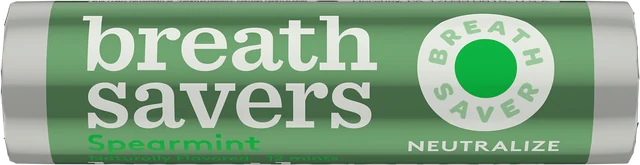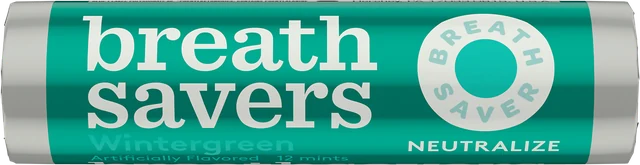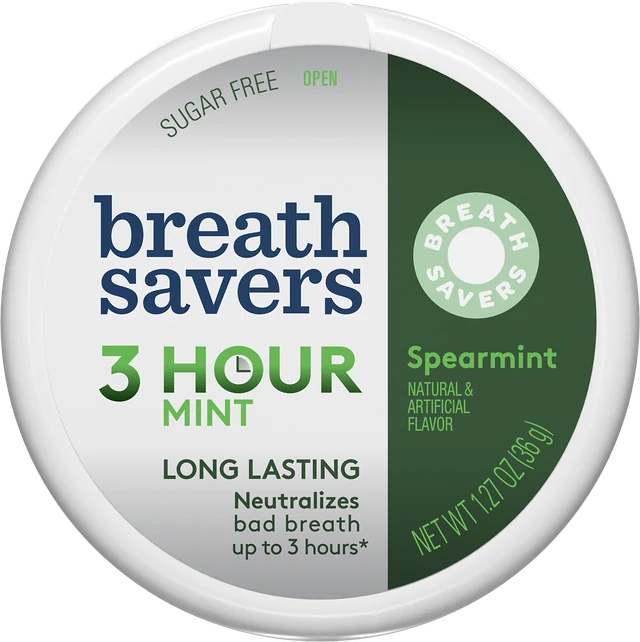
A mint roll and a round mint pack solve different carrying problems. A roll is narrow and easy to slip into a small pocket. A round pack gives you a lid to close between uses. Breath Savers offers both in this collection, and the choice becomes clearer when you separate packaging, flavor, quantity and label information instead of treating them as one question.
Our classic collection includes Peppermint, Spearmint and Wintergreen rolls. The 3-Hour collection shown here contains Spearmint in round 1.27-ounce packs. This guide explains how to compare those products, what the pack numbers mean and which details deserve a second look before ordering. It does not assume that every mint with the same flavor name has the same formula.
Two formats, two ways to carry a mint
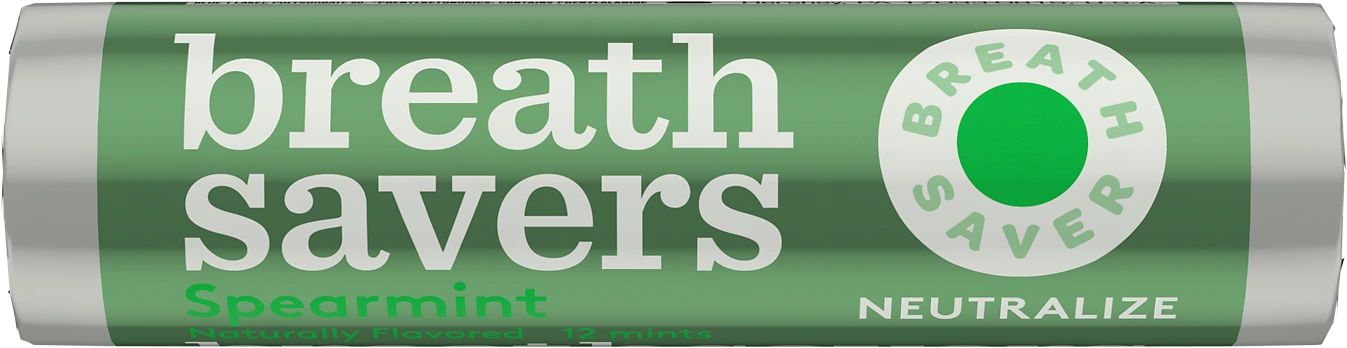
The classic roll keeps a line of ring-shaped mints together in a slim wrapper. Each selected roll contains 0.75 ounces of mints. A multipack gives you several separately wrapped rolls, which means you can open one while leaving the others sealed. That arrangement is useful when the supply is shared across a home, a bag and a workplace.
A 3-Hour pack is round and reclosable. The selected Spearmint product contains 1.27 ounces per pack, with eight packs in the offer shown here. Its shape may suit a bag compartment or a desk drawer where you want to open a container, take a mint and close it again. Whether that is more convenient depends on where you plan to keep it.
Neither shape is automatically the better travel choice. A slim pocket may accommodate a roll more comfortably, while a larger bag may have plenty of room for a round pack. Before buying, picture the actual pocket or compartment rather than an abstract idea of portability. A product is convenient when it fits the place you will use.
Both formats keep the flavor name on the package. Preserve that information when storing or sharing the mints. Putting loose mints into an unmarked container removes the label from the product and makes it harder to distinguish flavors or formulas later. The original packaging is part of the practical value of either format.
What the classic roll does well
A roll is an uncomplicated option when you want a familiar mint in a narrow package. You can put an unopened roll into a work bag and keep the remaining rolls together at home. You do not need to open the entire supply to take one unit with you. For people who switch bags often, that makes it easy to move a sealed roll as part of a small everyday kit.
The format also supports simple distribution. A household can set aside a few unopened rolls for different adults without dividing loose food. At a workplace, a person can choose a labeled roll and keep it for personal use. The package tells them which flavor they selected and keeps the product information associated with it.
Once a roll is opened, pay attention to the wrapper. Keep the remaining mints covered and protected from dirt, moisture and pressure in a bag. Do not assume a partly used paper or foil wrapper behaves like a sealed lid. If your bag regularly carries damp items or loose small objects, place the roll in a clean, dry compartment.
Classic rolls are also easy to count when planning a purchase. You can see how many unopened units remain without estimating a pile of loose mints. Count the rolls you already have before ordering more. This is a stock-management habit rather than a consumption target: having more rolls available is not a reason to use more mints.
What a reclosable round pack changes
The lid is the main practical distinction you can see immediately in a 3-Hour pack. You can close the container after taking a mint, then return it to its place. That may appeal to someone who prefers a container that retains its shape as the contents are used. The round footprint is different from a roll, so allow for it when choosing a pocket or organizer.
For a desk, the round pack can stay in one designated spot. At the end of the day, close it and put it away. For a bag, try a compartment that keeps it from being pressed under heavier items. The packaging is useful, but it should still be treated as a food container rather than a protective case for everything around it.
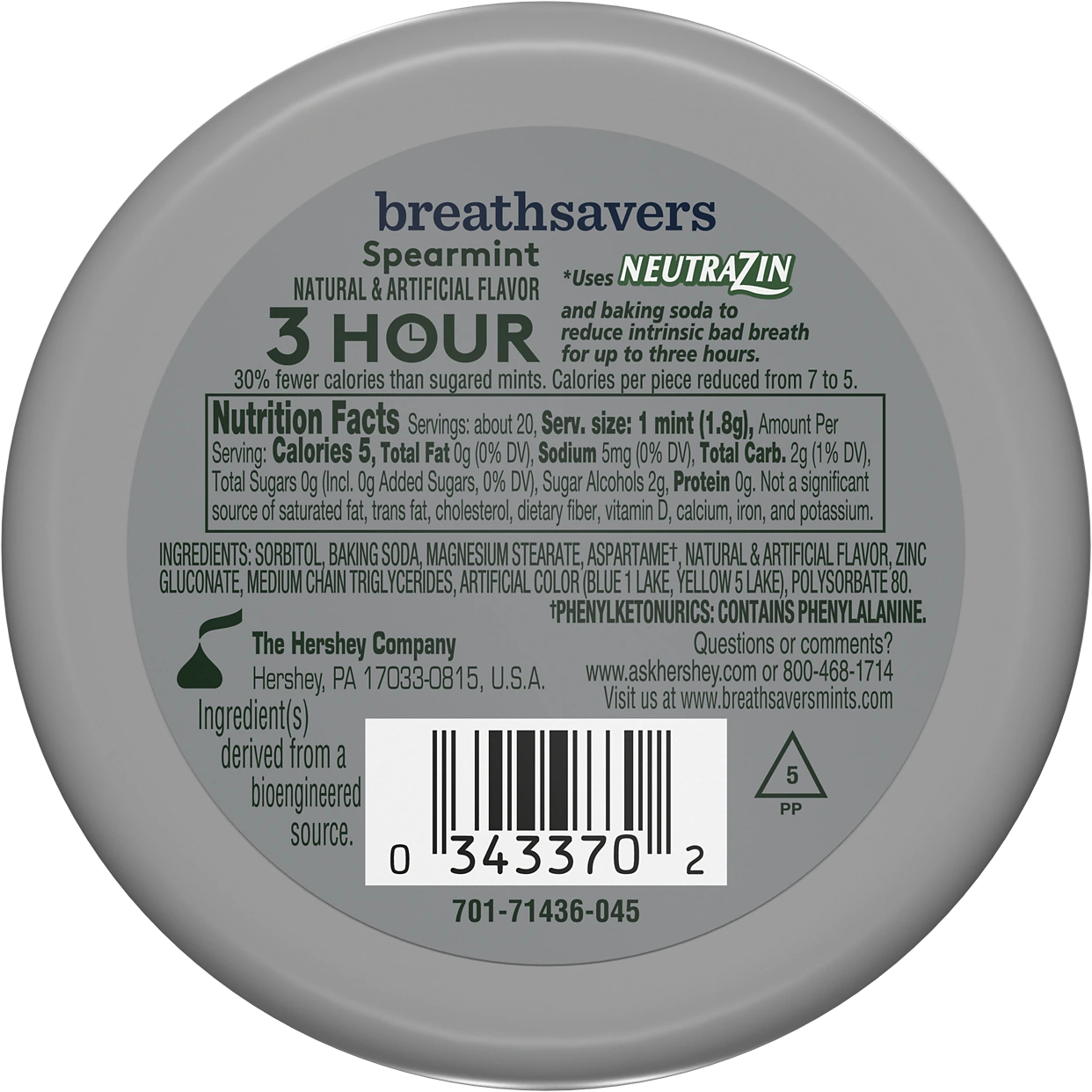
Keep the underside label readable. It contains information that is easy to overlook when the front is familiar. If you share the pack, let the other person inspect it before deciding whether to take a mint. A recognizable flavor name on the top does not replace the ingredients and package statements on the back.
The selected eight-pack is a supply of eight individual containers, not one large container holding eight times the contents. That distinction matters if you are planning where to keep the unopened units. Read the offer's quantity carefully and confirm it in the purchase tab. A photograph may emphasize one container even when the order includes several.
Read “3-Hour” as part of the exact product name
3-Hour identifies a specific Breath Savers product line. Hersheyland describes that line as using Neutrazin and gives an “up to three hours” breath-related claim. Keep the qualifying words attached to the claim. The name is not a promise that every person will notice the same result for exactly three hours in every situation.
It is also not a schedule telling you when to take another mint. Follow the product's package information and use your own judgment about enjoying it. Do not turn a product name into a timer, a requirement to consume more or a substitute for routine oral care. This guide compares products and packaging; it does not diagnose a cause of persistent breath concerns.
When comparing the 3-Hour pack with a classic roll, avoid moving claims from one product to the other. A statement printed on a 3-Hour package belongs to that product. The fact that another mint carries the Breath Savers name does not by itself establish identical performance, ingredients or labeling.
For that reason, we give Spearmint 3-Hour its own product page and gallery. You can look at the front and back of the individual package alongside the multipack view. If your main question is about the formula rather than the shape, start with those labels and the manufacturer's product information.
Understand the three numbers on a pack
Three quantities can appear around a mint offer: the weight of one unit, the number of units in the order and the total weight of the multipack. They answer different questions. A roll labeled 0.75 oz describes one roll. A title that says 24 count describes the number of rolls in that selected pack.
Multiplying those two values gives 18 ounces for 24 rolls of 0.75 ounces each. For the selected 3-Hour offer, eight packs of 1.27 ounces give 10.16 ounces. These calculations help you compare the amount of product in an order. They do not tell you how many mints you should use or how long a supply will last for a particular person.
| Format | Weight per unit | Units per selected pack | Calculated total weight |
|---|---|---|---|
| Classic rolls | 0.75 oz | 24 rolls | 18 oz |
| Spearmint 3-Hour | 1.27 oz | 8 round packs | 10.16 oz |
Do not compare the numbers 24 and eight as though they measure the same-sized unit. Twenty-four smaller packages and eight larger packages are different quantities in different formats. A useful comparison considers both the total amount and whether the package shape works for you.
Photographs can show an individual unit or an inner display carton. The selected offer title and pack details establish the ordered quantity. If the photograph and the selected description leave you uncertain, resolve the quantity in the purchase tab before placing an order. Guessing from the number of visible packages in a promotional image is unnecessary.
Compare prices at the right level
The first price you see is usually the total for the selected pack. That is the amount to compare with your budget. If you want to understand the cost of one roll or round pack, divide that total by the number of units. This gives a practical per-unit figure without confusing an individual package with a whole multipack.
For example, a hypothetical 24-roll order costing $24 would work out to $1 per roll. A hypothetical eight-pack costing $24 would work out to $3 per round pack. These examples illustrate the calculation only; they are not current offers. The two formats also have different weights per unit, so the result is not a complete comparison of value.
For a weight-based comparison, divide the total price by the total ounces. Keep the same unit of measurement on both sides. Do not compare dollars per roll with dollars per ounce, or a discounted subscription figure with a one-time price. Shipping, taxes and any selected purchase plan can also affect the final amount.
Our displayed amounts carry a “Price checked” label. Confirm the final selected-option price in the purchase tab before ordering. A calculation based on an older price remains useful as arithmetic, but it cannot establish what a seller will charge today. The pack-planning article goes further into quantities and reorder decisions.
Formula questions belong with the label
A comparison of packaging cannot settle a question about ingredients. If you are looking for or avoiding a particular ingredient, inspect the exact product label. The name Spearmint appears on both a classic roll and a 3-Hour pack, but that does not make the two ingredient lists interchangeable.
Read the ingredient statement as a whole rather than searching only for one familiar word. Also read any advisory wording printed near it. An online title is designed to identify a product quickly; it is not a full transcription of every package statement. Our gallery gives the back of the package its own view so you can enlarge it.
Nutrition facts need the same care. Start with the labeled serving size before reading the values underneath it. A value for one mint and a value for an entire container describe different amounts. Do not multiply or compare numbers until you know which amount each label uses.
If the package delivered to you has updated artwork or wording, use that package for your final check before use. Product images are helpful for shopping, but they do not override the item in your hand. For a manufacturer question, the contact information printed on the package is a sensible starting point. Our label guide keeps the relevant product galleries together.
Match the shape to your actual day
Start with where the mints will live. If you carry a small jacket pocket or a narrow organizer slot, a roll may fit naturally. If you use a roomy tote or keep mints in a drawer, a round pack may be equally convenient. You do not need a special accessory to make the decision; look at the space you already use.
Then think about how often you move the package. Someone who changes bags each morning may prefer a small sealed roll that can be transferred with other essentials. Someone who leaves a pack in the same desk drawer may value the reclosable lid. Those are differences in routine, not evidence that one format is superior.
Keep food away from wet or dirty items. A bag compartment holding a leaking drink bottle is a poor place for either format. Avoid prolonged heat and direct sun, and follow any storage instructions on the package. A parked vehicle is not a dependable storage environment simply because a mint package is small enough to fit its console.
For travel, keep the original product identification with the mints. If you are crossing a border, check the destination's current rules for bringing food rather than relying on a general travel article. For an ordinary workday or local trip, the more immediate question is simply whether the pack stays closed, clean and easy to find.
Personal packs and shared supplies
A multipack can support several individual users without becoming a communal container of loose mints. Classic rolls are easy to allocate one at a time. Round packs can also be assigned individually. If several people use the supply, make the flavor and product information accessible rather than assuming everyone knows what is inside.
For a household, choose a storage location for unopened units and a different place for the pack currently in use. This makes the remaining quantity easier to see. It also reduces the chance of opening several packages at once and later losing track of which ones have been sitting in bags or drawers.
For a workplace, keep the arrangement simple and optional. A labeled supply of unopened rolls is clearer than an unmarked bowl. If the organization has food-sharing policies, follow them. There is no need to add claims about productivity, confidence or employee health to explain a small convenience item.
When buying for someone else, ask whether they want a roll or a round pack as well as asking for the flavor. A person may like spearmint yet have a strong preference about packaging. Sending a link to the exact product page is an easy way to confirm that you have understood both parts of the request.
Read the gallery in a useful order
Start with the multipack view to recognize the product family, then look at the individual front-of-pack image. Check the flavor name, format and unit weight. After that, open the back-of-pack view for label details. This sequence takes you from recognition to specification without asking one image to answer every question.
Use the enlarged view when the text is small. Product photography often includes a great deal of label information in a compact space. A thumbnail is intended to help you choose a view, not to make every printed word readable at once. If the detail still cannot be read clearly, consult the manufacturer's information or the delivered package.
Keep image context in mind. An individual roll photograph illustrates one unit inside a larger offer. A display carton may show how several units are arranged. Neither image should be treated as a separate promise about the number of cartons that will arrive unless the selected offer explicitly says so.
Our galleries distinguish the selected multipack from official single-unit package views. This lets you inspect the product closely while keeping the order quantity visible in the purchase section. The product page is the place to bring those pieces together before opening the purchase tab.
Common comparison mistakes to avoid
Confusing a container count with a mint count
An eight-pack contains eight individual packages in the selected offer. It does not mean eight loose mints. A 24-roll pack similarly counts rolls. Whenever a product title uses the word count, identify the object being counted before comparing it with another offer. The unit description next to the number should make that clear.
If you are buying enough sealed units for several people, package count is the relevant measure. If you are comparing the total amount of product, use net weight. Switching between those questions halfway through a comparison is what makes otherwise simple pack arithmetic confusing.
Using the same label information for every product
A familiar brand name can make it tempting to skip the back of a new package. Resist that shortcut when changing formats. Look again at the exact ingredients, serving size and any advisory wording. Even if the named flavor stays the same, you are selecting a different product with its own package information.
The current label also matters when replacing a product you bought a long time ago. A saved photograph is a useful shopping reference, but it should not become a permanent assumption about every future package. Read the item you receive, especially when a particular ingredient affects your decision.
Assuming a reclosable lid guarantees every storage condition
A lid makes repeated opening and closing convenient. It does not make a food package suitable for prolonged heat, damp surroundings or careless handling. Close it after use, keep it clean and choose a sensible storage place. Apply the same care to a roll, with particular attention to protecting the opened end of its wrapper.
If your routine exposes a pack to a difficult environment, change the storage arrangement rather than expecting the format to solve the problem. Keeping the supply indoors and carrying one unit when needed is often a simpler adjustment than searching for a supposedly indestructible container.
Choosing on unit price alone
A per-ounce calculation can clarify a price comparison, but it cannot tell you which shape will fit a jacket pocket or which flavor you prefer. Make the practical choice first, then use the price calculation to compare relevant offers. A lower number is only useful when it describes a product you actually want.
Read any selected purchase terms before completing the order. A price linked to a recurring plan should not be treated as the same commitment as a one-time purchase. The exact choice belongs in the purchase tab, where the selected option and final total can be checked together.
Keep the order description with your choice
When you have decided, save the full product name, the unit size and the selected pack quantity together. This makes a later reorder easier and gives you a useful reference if another person is buying on your behalf. The word spearmint alone does not distinguish a classic roll from a round 3-Hour pack. Include the format so that a familiar flavor arrives in the packaging you intended.
A short decision checklist
Choose the flavor first if you already have a strong preference. Choose the format first if a particular pocket or storage space is the main constraint. Then confirm the unit size and the number of units in the selected offer. Those steps cover the practical differences without inventing an elaborate scoring system.
For classic rolls, explore Peppermint, Spearmint or Wintergreen. For the round format in this collection, explore Spearmint 3-Hour. If you are still deciding on taste, our flavor guide keeps that question separate from packaging.
Before ordering, read the current offer again. Confirm the flavor, format, quantity, final price and delivery details together. A familiar name is useful, but a complete product identity is what ensures that the pack you order is the one you intended to choose.